
Distillation and Proofing
It All Begins Here
How Vodka Becomes Smooth and Why Water Quality Matters
When most people think about vodka, they think of purity, smoothness, and neutrality. But behind every clean sip is a highly technical process shaped by science, craftsmanship, and one often-overlooked ingredient: water.
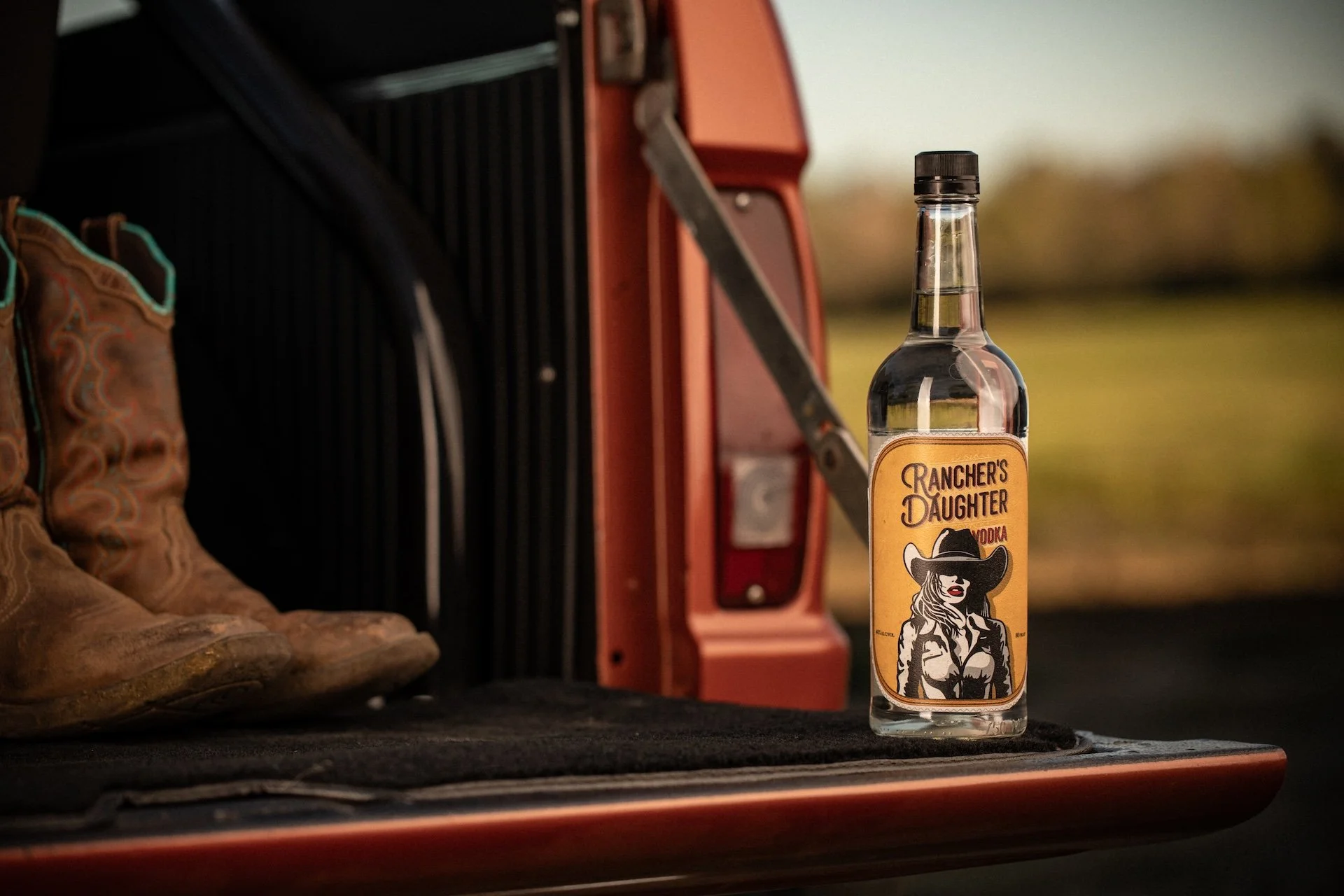
At Rancher’s Daughter Vodka, smoothness starts long before the bottle is sealed. From the carefully selected corn base to the distillation process, proofing, charcoal filtration, and the use of well water, every step contributes to the spirit’s final character.
Here’s a closer look at how vodka becomes exceptionally smooth — and why the quality of the water matters just as much as the distillation itself.
From Corn to Wash: Building the Foundation
Every vodka begins with a fermentable base ingredient. In the case of corn-based vodka, the process starts with cooking and breaking down the starches in the grain into fermentable sugars. Yeast is then introduced, converting those sugars into alcohol during fermentation.
The result is a liquid known as a “wash,” typically reaching around 5–10% alcohol by volume. While alcohol is the primary goal, fermentation also creates naturally occurring compounds called congeners — esters, aldehydes, and higher alcohols — that influence aroma and flavor.
The cleaner and more balanced the fermentation, the better the foundation for distillation.
Corn-based vodka is prized for its naturally softer and slightly sweeter profile compared to some grain or potato vodkas. That subtle sweetness helps create a smoother mouthfeel, making it an ideal base for premium vodka production.
Distillation: Refining Purity and Smoothness
Distillation is where vodka transforms from a fermented liquid into a refined spirit.
The purpose of distillation is simple in theory: separate alcohol from water and unwanted compounds. In practice, it requires incredible precision.
During distillation, the wash is heated so alcohol vapors rise and are collected separately. Distillers carefully isolate different portions of the run:
Heads contain volatile compounds that can create harsh aromas and undesirable flavors.
Hearts are the cleanest and purest portion of the spirit — the part destined for the bottle.
Tails contain heavier compounds that can muddy flavor and texture.
Only the “hearts” become the finished vodka.
At Rancher’s Daughter Vodka, the spirit is distilled multiple times — seven times in total — to further refine purity and remove impurities while maintaining a balanced texture. Each additional distillation pass helps reduce unwanted congeners and creates a cleaner, smoother profile.
Many consumers associate “more distilled” with marketing language, but repeated distillation serves a real purpose: increasing refinement while softening the finish of the spirit.
The Role of Charcoal Filtration
After distillation, filtration adds another layer of refinement.
Rancher’s Daughter Vodka is charcoal filtered, a process that helps remove trace impurities and polish the final flavor profile. Activated charcoal acts like a natural purifier, absorbing compounds that may contribute bitterness, sharpness, or unwanted aromas.
The result is a vodka with exceptional clarity and a cleaner finish on the palate.
Charcoal filtration doesn’t erase character — it enhances smoothness while preserving the subtle texture and softness that corn-based vodka is known for.
Proofing: Finding the Perfect Balance
Vodka doesn’t come off the still at bottling strength. Distilled spirit is typically produced at a much higher alcohol concentration and must be carefully diluted before bottling.
This process is called proofing.
Proofing determines the final alcohol by volume (ABV) and has a major impact on mouthfeel, aroma, and overall drinkability. A vodka bottled at too high a proof can feel hot or harsh, while proofed too low may lose body and character.
The goal is balance — enough structure to carry flavor and texture, while remaining exceptionally smooth.
And this is where water becomes one of the most important ingredients in the entire process.
Why Water Quality Matters in Vodka
Vodka is primarily composed of two things: alcohol and water. That means the quality of the water directly impacts the final spirit.
At Rancher’s Daughter Vodka, the water used for proofing is sourced from a ground well, providing a naturally clean and mineral-balanced foundation. Unlike heavily treated municipal water systems, well water often contains a stable mineral profile that contributes to texture and mouthfeel.
Water chemistry plays a surprisingly important role in how vodka tastes and feels.
Minerals Shape Mouthfeel
Minerals such as calcium and magnesium can subtly influence body and texture, helping create a fuller, softer mouthfeel. Water that is too stripped down can leave vodka tasting thin or flat, while excessive mineral content can create bitterness or harshness.
Achieving the right balance is part science and part artistry.
Purity Protects Flavor
Water must also be free of unwanted compounds such as chlorine, dissolved organics, or contaminants that can interfere with the spirit’s clean finish.
Many distilleries use advanced purification systems including reverse osmosis and carbon filtration to ensure consistency and purity before proofing.
Temperature and Precision Matter
Even the temperature of the proofing water affects the final spirit. Chilled, carefully controlled water allows for more stable blending and helps preserve the vodka’s smooth texture and aroma balance.
Every detail matters when crafting a premium vodka.
The Difference You Can Taste
A truly smooth vodka isn’t the result of one single step. It’s the culmination of thoughtful decisions throughout the entire process:
A quality corn base for natural softness
Precise fermentation
Seven-times distillation for refinement
Careful separation of the pure hearts
Charcoal filtration for added smoothness
Clean ground well water for balanced proofing
Together, these elements create a vodka designed to be exceptionally clean, crisp, and approachable — whether enjoyed neat, on the rocks, or in a crafted cocktail.
At Rancher’s Daughter Vodka, smoothness isn’t accidental. It’s engineered through craftsmanship, patience, and respect for every ingredient in the bottle — especially the water.

Why Vodka Ingredients Matter
It All Begins Here
Understanding Corn-Based Vodka, Distillation & Smoothness
When people think about vodka, they often assume all vodkas are essentially the same. But behind every bottle is a unique combination of ingredients, water, distillation methods and filtration techniques that dramatically influence flavor, texture and smoothness.
At Rancher’s Daughter Vodka, every step of the process is intentional — from using a corn base to sourcing water from a ground well, distilling the spirit seven times and charcoal filtering for exceptional smoothness. Understanding how these elements work together helps explain why premium vodka tastes cleaner, softer and more refined.
What Is Vodka Made From?
Vodka can be distilled from a wide variety of agricultural ingredients. Around the world, common vodka bases include:
Potatoes
Wheat
Rye
Barley
Grapes
Sugar cane
Corn
Each ingredient contributes different characteristics to the finished spirit. While vodka is traditionally known for neutrality, the base ingredient still affects mouthfeel, subtle flavor and overall drinking experience.
Potato Vodka
Potato-based vodkas are often richer and creamier with a fuller body. They can carry earthy notes and a heavier texture.
Wheat Vodka
Wheat vodkas are known for softness and mild sweetness. Many popular luxury vodkas use wheat because of its smooth finish.
Rye Vodka
Rye-based vodkas typically deliver a more peppery, spicy character with a crisp finish.
Corn Vodka
Corn-based vodka is prized for its naturally smooth profile and subtle sweetness. Because corn contains a high starch content, it produces a clean, approachable spirit with a softer mouthfeel that appeals to a wide range of vodka drinkers.
The Benefits of Corn-Based Vodka
At Rancher’s Daughter Vodka, the choice to use corn is central to the vodka’s character and drinkability.
Corn-based vodka offers several advantages:
Naturally Smooth Texture
Corn tends to produce a softer, rounder spirit compared to sharper grain alternatives. This contributes to a silky mouthfeel that works beautifully in cocktails or enjoyed simply over ice.
Subtle Sweetness
Unlike harsher spirits that can finish with aggressive heat, corn-based vodka often carries a faint natural sweetness that balances the palate.
Clean Finish
The smooth character of corn allows the vodka to finish cleanly without overpowering burn, making it ideal for sipping or mixing.
Gluten-Free Friendly
Because distilled corn vodka is made from corn rather than wheat or rye, it is commonly preferred by consumers seeking gluten-free spirit options.
Why Distillation Matters in Vodka
One of the most important factors in vodka production is distillation. Distillation is the process of separating alcohol from fermented ingredients while removing impurities and unwanted compounds.
The number of times a vodka is distilled can significantly affect its purity and smoothness.
What Does “7x Distilled” Mean?
When a vodka is labeled as “7x distilled,” it means the spirit has gone through seven separate distillation cycles. Each round further refines the liquid by removing impurities and unwanted congeners that can contribute to harshness.
At Rancher’s Daughter Vodka, the vodka is distilled seven times to create an exceptionally clean and polished spirit.
Benefits of multiple distillations include:
Enhanced smoothness
Cleaner aroma
Reduced harshness
Greater purity
Refined texture
Crisp finish
The goal is balance — retaining enough character to give the vodka personality while creating a remarkably smooth drinking experience.
The Role of Water in Premium Vodka
Vodka is primarily water and that means that the water we use to proof our vodka plays a major role in final taste and mouthfeel.
Some distilleries source mountain spring water, while others rely on mineral-rich aquifers or purified water systems. At Rancher’s Daughter Vodka, water sourced from a ground well is used for the proofing process.
Why Well Water Matters
Ground well water naturally filters through layers of earth and rock over time. This process can help create a clean and balanced water profile that supports the vodka’s smooth character.
Water impacts:
Texture
Mouthfeel
Mineral balance
Purity
Finish
Because vodka is such a clean spirit, even subtle differences in water quality become noticeable in the glass.
Charcoal Filtration for Extra Smoothness
After distillation, filtration further refines the spirit. One of the most respected methods in vodka production is charcoal filtration.
At Rancher’s Daughter Vodka, the vodka is charcoal filtered to achieve additional smoothness and clarity.
How Charcoal Filtration Works
Activated charcoal acts as a natural purifier. As the vodka passes through charcoal filters, remaining impurities and trace compounds are absorbed, helping produce a cleaner and more refined spirit.
Benefits of charcoal filtration include:
Softer finish
Cleaner taste
Improved clarity
Reduced bitterness
Enhanced drinkability
The result is a vodka designed to be approachable, polished and exceptionally smooth from the first sip to the last.
What Makes Rancher’s Daughter Vodka Different?
Great vodka is the result of thoughtful craftsmanship at every stage of production.
Rancher’s Daughter Vodka combines:
A smooth corn base
Seven-times distillation
Ground well water
Charcoal filtration
Together, these elements create a vodka with a clean profile, refined finish and approachable character designed for both cocktails and sipping occasions.
Whether enjoyed in a classic martini, a fresh mule or simply poured over ice, the attention to detail behind every bottle is what sets premium vodka apart.